Antalya by Numbers — Quick Facts & What Travelers Should Know
Antalya, the Turkish Riviera’s crown jewel, draws millions of visitors every year with sun-drenched beaches, rich history and mountain landscapes. This snapshot compiles the city’s most relevant figures and practical travel notes so you can plan faster: population, area, climate, terrain and district breakdown — plus a few visitor tips (Antalya by numbers).
Population — who lives in Antalya? (Antalya by numbers)
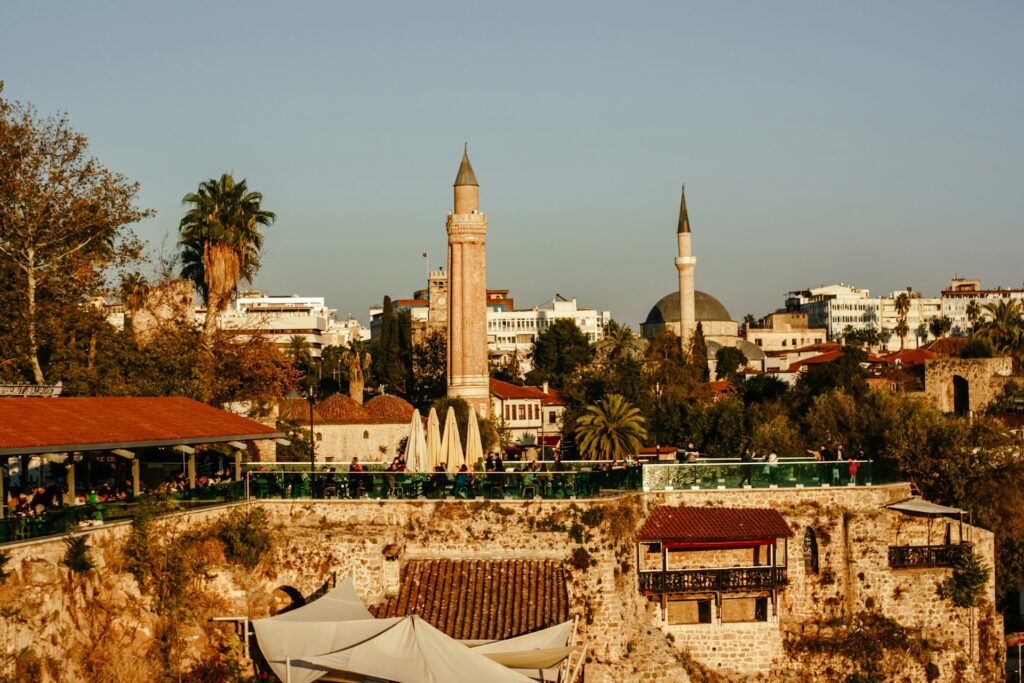
Cityscape view of Antalya’s urban centre and historic Kaleiçi.
Antalya’s population stands at 2,511,700 (most recent cited census). The city’s population distribution is almost even between men and women: approximately 50.37% men and 49.63% women, based on the figures shown. The post also notes a dramatic seasonal swell: during summer months, domestic and international tourism can increase the effective population 2–2.5 times, meaning urban areas can feel far denser than off-season figures suggest.
Traveler tip: Expect significant crowding at beaches, coastal promenades and major attractions in July–August; plan sightseeing for mornings or shoulder seasons.
Area & density — how big is Antalya? (Antalya by numbers)
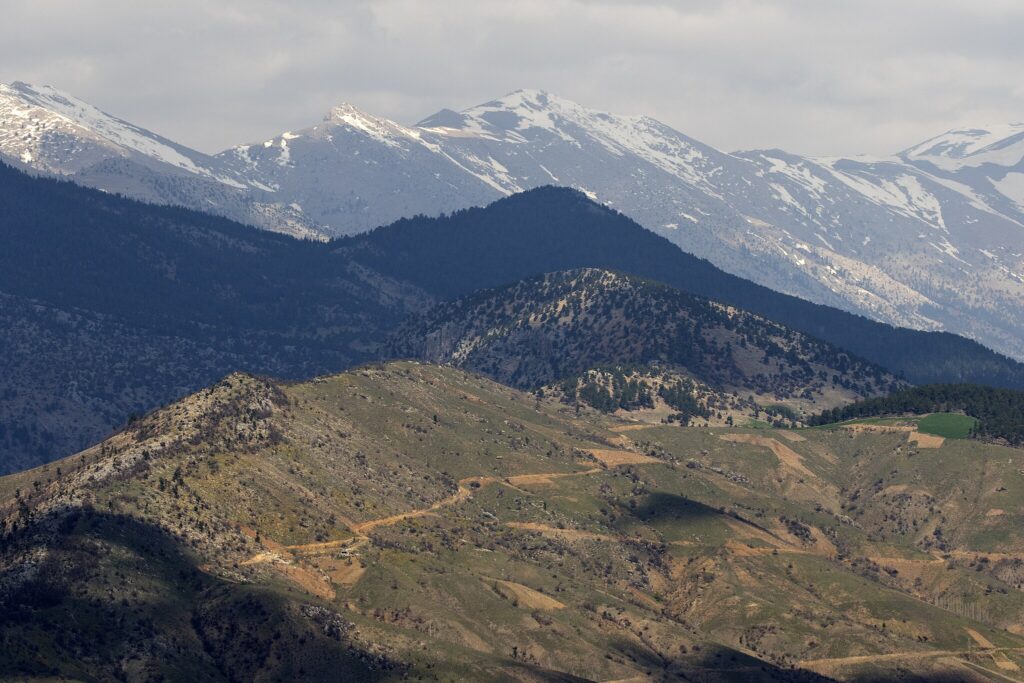
Taurus Mountains rising above Antalya’s inland region.
Antalya’s province area is about 20,909 square kilometers, ranking it among Turkey’s larger provinces by land area. The original article states “the number of people per square meter is 120,” which appears to be a unit error — likely intended as people per square kilometer. Given the population figure above, per-square-kilometer density is a more meaningful measure for travelers and planners. When assessing travel congestion, remember that density spikes greatly in tourist zones during summer.
Climate — Mediterranean with mountain variation
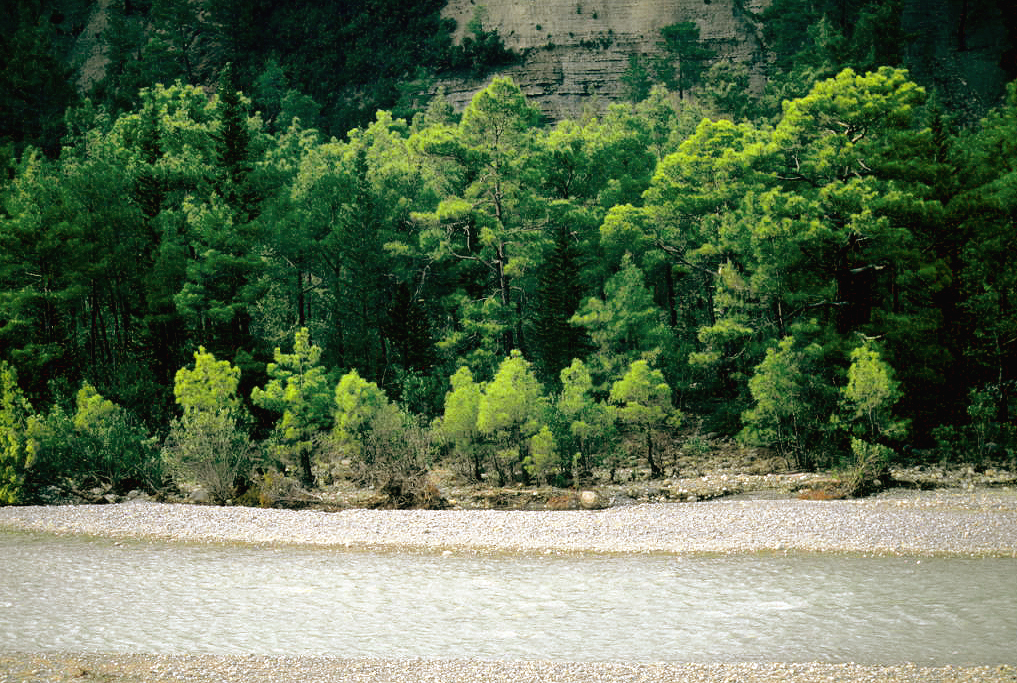
Mediterranean pine forest typical of Antalya’s 60% forest cover.
Antalya’s coastal strip enjoys a Mediterranean climate: hot, dry summers and mild, wetter winters. The city is influenced by both sea and nearby Taurus Mountains, so interior mountainous areas are notably cooler and rainier. The original page cites an annual precipitation figure and notes that about 60% of Antalya’s area is forested, which affects local microclimates and provides shaded escape options in summer months.
Best time to visit: Spring (April–June) and autumn (September–October) for warm weather without high-season crowds.
Vegetation & terrain — what you’ll see
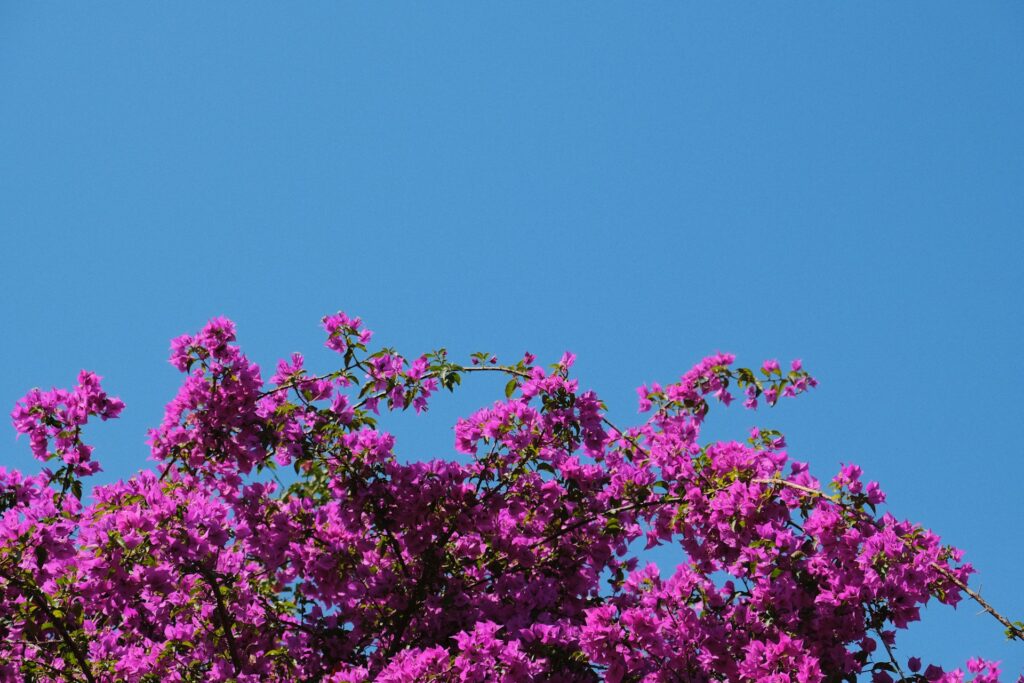
Wild lavender on Antalya hills.
Antalya’s vegetation is described as maquis—typical Mediterranean shrubs and aromatic herbs—plus broad stands of pine, larch and cedar. Common plants include myrtle, lavender, thyme and bay laurel. Terrain is predominantly mountainous: roughly 77.8% mountainous, 10.2% plain, and 12% rugged—making Antalya ideal for both beachgoers and outdoor adventurers seeking hikes or scenic drives.
Administrative structure — districts you should know
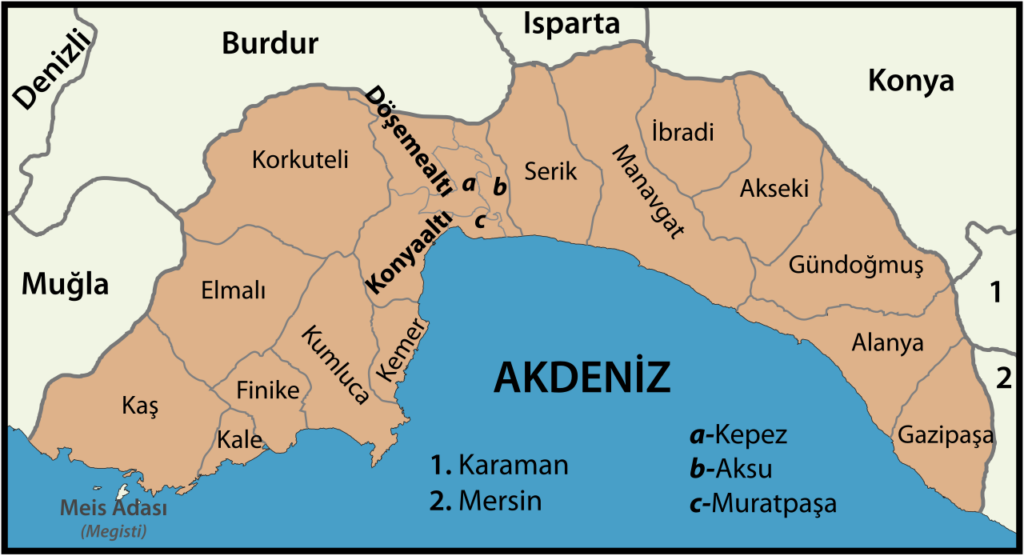
Map highlighting Antalya’s main districts (for orientation).
Antalya province includes 19 main districts: Kepez, Muratpaşa, Alanya, Manavgat, Konyaaltı, Serik, Aksu, Kumluca, Döşemealtı, Kaş, Korkuteli, Gazipaşa, Finike, Kemer, Elmalı, Demre, Akseki, Gündoğmuş and İbradı. These districts encompass dozens of local municipalities and hundreds of neighborhoods — offering diverse experiences from busy resort strips to quiet mountain villages.
Where visitors often stay: Lara Beach, Konyaaltı and the Old Town (Kaleiçi) for Antalya city access; Belek, Kemer and Alanya for resort-style stays.
Practical notes for travelers
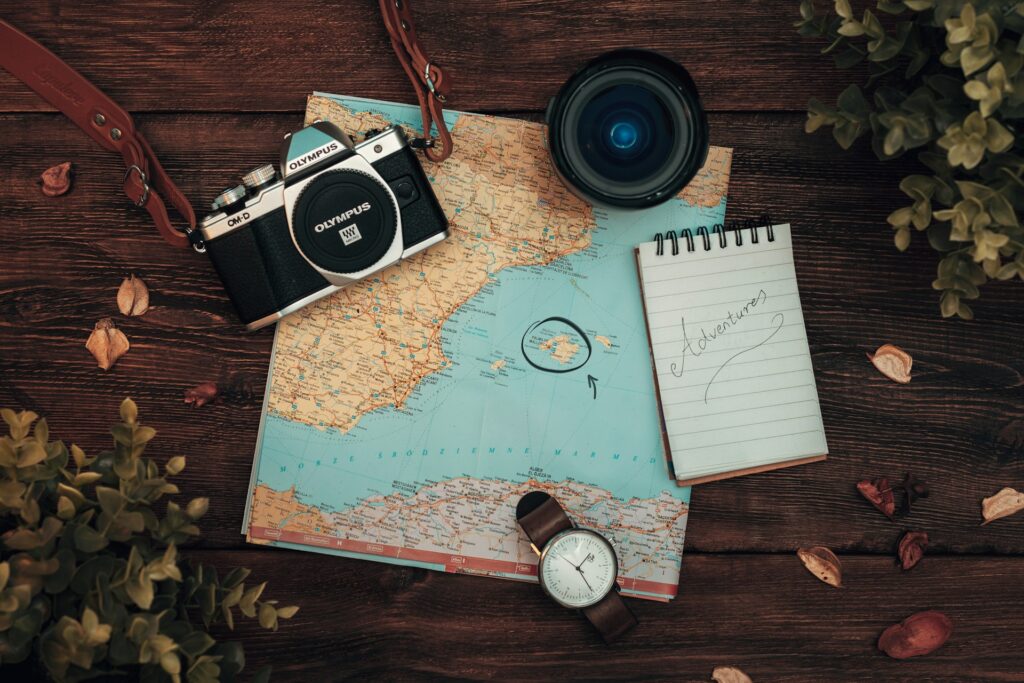
Planning Antalya trip using map.
Phone & code: Antalya’s telephone area code is 242 and vehicle plates use the code 07.
Rainfall & forests: The region’s forests (pine/larch/cedar) make for attractive day hikes and cooler microclimates in summer.
Transport & mobility: Renting a car gives flexibility to reach inland villages and mountain passes; coastal travel is well-served by buses and regional shuttles.
Seasonal population impact: Expect services, restaurants and transit to scale up in summer — book accommodations and transfers early for high-season travel.
How to use these numbers when planning your trip
Use population and seasonal multipliers to decide when to visit (avoid peak July–August if you dislike crowds).
Use district names to search specific accommodations and attractions (e.g., “Kaleiçi, Muratpaşa” for historic central Antalya).
Factor in terrain when planning active days — mountain hikes and canyoning are best in milder seasons.
Conclusion — a snapshot that helps you plan
This Antalya by numbers snapshot compiles core facts you can use at-a-glance: population, area, climate type, vegetation and district structure. These figures highlight Antalya’s dual nature — crowded coastal resorts in summer and expansive, forested, mountainous terrain inland. Use this guide to time your visit, pick the right base district, and plan activities that match the season.
Next step: Choose the neighborhood you want to base yourself in (coast vs. mountains) and book accommodations and transfers accordingly. For more detailed itineraries, check our Antalya hidden-gems guide and Antalya airport transfer options.
FAQ
Q1: What is Antalya’s population?
A: Antalya’s population is about 2,511,700 (latest census referenced). Seasonal tourism increases local numbers substantially.
Q2: How large is Antalya province?
A: Antalya’s area is about 20,909 square kilometers; this places it among Turkey’s larger provinces.
Q3: What climate does Antalya have?
A: Antalya has a Mediterranean climate — hot, dry summers and mild, wetter winters — with cooler, rainier conditions inland in the Taurus Mountains.
Q4: How many districts does Antalya have?
A: The source lists 19 main districts (e.g., Kepez, Muratpaşa, Alanya, Manavgat, Konyaaltı), encompassing many smaller municipalities and neighbourhoods.
Q5: What vegetation is common in Antalya?
A: Antalya’s vegetation is mainly maquis and Mediterranean woodlands — pine, larch and cedar — plus aromatic herbs like thyme, lavender and myrtle.
Don’t forget to book your Antalya airport private transfer in advance: Antalya airport transfer